
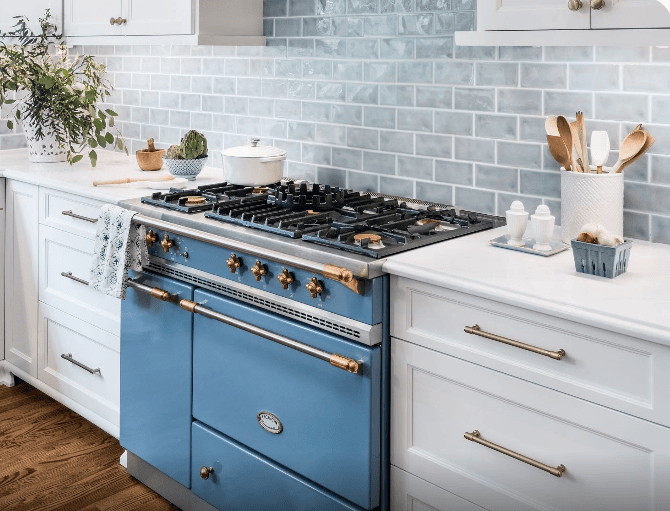
A Lacanche oven is designed to deliver dependable cooking performance, but a noticeable increase in preheating time can make meal preparation frustrating. When your Lacanche oven is slow to preheat, the issue may involve temperature settings, heat loss, or a component that is no longer operating correctly.
Lacanche ranges are available with different oven configurations, including gas, electric, and convection options. Because each design heats differently, understanding how your particular oven operates is an important part of identifying the problem.
Lacanche Oven Slow to Preheat? Common Causes
Preheating allows the oven cavity and its interior surfaces to warm before cooking begins. Lacanche ovens have specific operating characteristics, and the expected warm-up time can vary depending on the model, oven type, and selected temperature.
A slower preheat does not always mean a component has failed. However, a significant change from your oven’s usual performance can indicate that something is interfering with heat generation, circulation, or temperature regulation.
Here are seven possible causes to consider when your Lacanche oven is slow to preheat.
1. Incorrect Temperature Settings or Oven Mode
Lacanche ovens offer different cooking configurations, and certain electric models allow users to select between conventional and convection cooking.
The selected operating mode influences how heat is distributed throughout the oven. An incorrect setting may affect how quickly the oven reaches the conditions needed for a particular recipe.
Preheating expectations can also vary depending on the starting temperature and the amount of time the oven has been operating.
Common signs include:
- Preheating takes longer than expected in a particular mode
- The oven appears to heat differently after changing settings
- Cooking results vary between conventional and convection operation
- The oven eventually reaches the desired temperature without other obvious problems
What You Can Do: Review the operating instructions for your specific Lacanche model and confirm that the intended oven mode and temperature are selected.
Lacanche provides specific preheating recommendations for its ovens, which may involve initially selecting a higher thermostat setting before returning to the desired cooking temperature. Always follow the instructions for your particular model.
If the oven’s performance has changed noticeably despite correct settings, a technician should diagnose the issue.
2. A Damaged Door Gasket or Poor Door Seal
The oven door gasket helps retain heat inside the cooking cavity.
Over time, repeated exposure to high temperatures can cause the gasket to wear, flatten, tear, or become displaced. When the seal is compromised, heated air can escape while the oven is trying to reach its set temperature.
A door that does not close evenly may produce similar symptoms.
Possible warning signs include:
- Longer preheating times
- Visible gaps or damage around the door seal
- Heat escaping noticeably around the door
- Difficulty maintaining consistent cooking temperatures
What You Can Do: Once the oven is off and completely cool, visually inspect the accessible gasket and door edges for obvious damage or residue.
Accessible surfaces can be cleaned according to the manufacturer’s recommendations. Avoid pulling on the gasket or attempting to adjust the door hinges.
If the gasket is damaged or the door does not close securely, professional service is recommended.
A damaged seal can also contribute to uneven baking, particularly when heat loss affects the cooking environment.
3. Restricted Airflow or Improper Oven Loading
The arrangement of cookware and oven racks can influence how heat circulates inside the cooking cavity.
Oversized roasting pans, crowded racks, or cookware positioned too close to the oven walls may interfere with normal heat movement.
This is particularly relevant when an oven seems to take longer to become evenly heated or produces inconsistent cooking results after being loaded.
Common symptoms include:
- Longer cooking times when the oven is heavily loaded
- Noticeable differences between lightly loaded and crowded cooking sessions
- Uneven temperatures around large pans
- Food taking longer to cook despite the oven appearing to preheat normally
What You Can Do: Follow Lacanche’s recommendations for cookware placement and avoid blocking the oven’s intended airflow paths.
If the oven preheats normally when empty but cooking performance changes with larger loads, the issue may involve heat distribution rather than a failed heating component.
However, if preheating remains unusually slow even with an empty oven, professional evaluation may be necessary.
4. A Malfunctioning Convection Fan
On Lacanche models equipped with convection cooking, the fan helps circulate heated air throughout the oven cavity.
This movement promotes more consistent heat distribution, especially when cooking on multiple racks.
If the fan stops operating properly, heat may become concentrated in certain areas instead of circulating as intended.
Signs of a possible fan problem include:
- Uneven heating in convection mode
- Longer cooking times than expected
- Unusual rattling or intermittent fan noises
- A noticeable change in performance between conventional and convection modes
A faulty fan does not necessarily prevent the oven from generating heat. Instead, it can interfere with how that heat reaches different parts of the cooking cavity.
What You Can Do: Note whether the problem occurs specifically when convection mode is selected. If the fan makes unusual noises or appears to operate inconsistently, discontinue using the affected mode until the issue is evaluated.
Do not attempt to access the fan or its electrical components.
A qualified technician can determine whether the fan motor, associated controls, or another component requires repair.

5. A Weak or Failed Electric Heating Element
Electric Lacanche ovens use heating elements to generate the heat needed for baking and roasting.
When an element becomes damaged or stops operating correctly, the oven may heat more slowly or struggle to reach its selected temperature.
The exact heating arrangement depends on the oven model and cooking configuration.
Common warning signs include:
- Preheating takes significantly longer than it previously did
- The oven struggles to reach higher temperatures
- Cooking performance changes in certain operating modes
- Food takes longer to bake or roast
A heating element can sometimes fail without obvious external damage. Therefore, the absence of visible problems does not rule out an electrical fault.
What You Can Do: Pay attention to whether the oven heats consistently across its available operating modes and note any sudden changes in performance.
Avoid touching heating elements or attempting to inspect internal electrical connections.
A professional technician can test the heating circuit and determine whether an element or related component needs replacement.
6. Gas Burner or Ignition Problems
Lacanche ranges may also be equipped with gas ovens, which rely on a burner and ignition system to generate heat.
If the burner does not ignite reliably or produces insufficient heat, the oven may take longer than expected to warm up.
Depending on the specific model, problems may involve the ignition system, burner performance, or a gas-control component.
Possible symptoms include:
- Delayed oven ignition
- Inconsistent heating during preheating
- The oven struggling to reach its selected temperature
- A noticeable decline in heating performance over time
Gas oven ignition systems vary by design, so symptoms that apply to one appliance may not apply to another.
What You Can Do: If the oven repeatedly fails to ignite or cannot maintain reliable heating, stop using it and arrange professional service.
Never attempt to inspect gas connections, adjust burner components, or bypass ignition safety devices.
If you notice a strong or persistent gas odor, leave the area and contact your gas utility or emergency services from a safe location.
A technician who specializes in Lacanche equipment can identify the source of the heating problem and recommend the appropriate repair.
7. A Faulty Thermostat or Temperature Control
The thermostat helps regulate oven temperature by controlling the heating system as the cavity warms and cools.
If the thermostat or a related temperature-control component malfunctions, the oven may not regulate heat as intended.
The exact control system depends on the Lacanche model, so not every oven uses the same electronic components found in modern digital ranges.
Signs of temperature-control problems include:
- The oven appears to reach the wrong temperature
- Preheating behavior becomes inconsistent
- Cooking times vary unexpectedly
- The oven struggles to maintain a steady temperature
- Heating performance changes without an obvious pattern
A temperature-control problem can sometimes resemble a weak heating element or gas burner issue. Professional diagnosis is important because replacing the wrong component may not resolve the underlying problem.
What You Can Do: Record the selected temperature, operating mode, and approximate time the oven takes to preheat. Note whether the problem occurs consistently or only at certain settings.
A professional can evaluate temperature regulation and determine whether calibration, thermostat service, or another repair is appropriate for the specific oven.
When to Schedule Professional Lacanche Oven Repair
Is your Lacanche oven slow to preheat? The problem may stem from an incorrect operating setting, a damaged door seal, a heating component failure, or a temperature-control issue.
If your oven suddenly takes much longer to warm up, cannot reach the selected temperature, or produces inconsistent results, professional diagnosis can help identify the underlying cause.
DeserTech’s Lacanche oven and range repair experts provide specialized service for these premium appliances throughout Palm Springs, Palm Desert, La Quinta, and surrounding communities.